
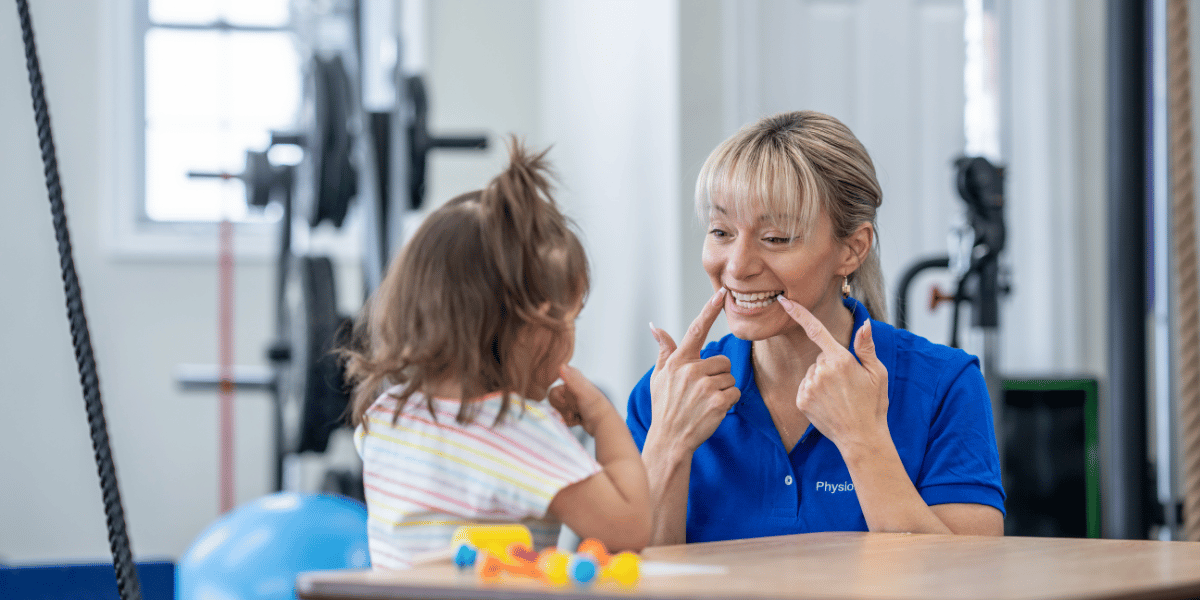
Communication is one of the most important parts of daily living. It helps children ask questions, share ideas, express feelings, play with others, and participate in learning. It helps adults speak with confidence, connect with family, manage work conversations, and take part in social situations. When speech or language feels difficult, the impact can go far beyond words. It can affect confidence, independence, school participation, relationships, and everyday comfort.
Speech and language needs can appear in many different ways. A young child may not be using as many words as expected. Another child may speak often but be hard for unfamiliar listeners to understand. A school-aged child may have trouble following directions, answering questions, telling stories, or using language for learning. A teen may need support with fluency, social communication, or speaking confidence. An adult may want help with voice, stuttering, speech clarity, or communication changes that affect daily life.
For families and individuals exploring speech therapy services for children, the most helpful support is usually practical, personal, and connected to real routines. Therapy should not feel like a set of random exercises. It should help people communicate more clearly and comfortably in the places where communication matters most.
Speech-Language Therapy Supports More Than Speech Sounds
Many people think speech therapy is only about helping someone pronounce words correctly. Speech sound support is an important part of the work, but speech-language therapy can include much more. It may involve early language development, vocabulary, sentence building, understanding instructions, storytelling, social communication, fluency, voice, reading-related language skills, and functional communication strategies.
This matters because communication is not one single skill. A child may say words clearly but struggle to understand directions. Another may understand language but find it hard to express ideas. A teen may have strong vocabulary but feel unsure during group conversations. An adult may know exactly what they want to say but struggle with voice fatigue, fluency, or confidence.
A thoughtful therapy plan begins by understanding the person’s full communication profile. What is going well? What feels difficult? Where do communication challenges happen most often? What would make daily life easier for the person and family? These questions help shape support that feels useful rather than generic.
Early Language Support Can Help Children Express Needs and Ideas
Parents and caregivers often notice communication concerns during regular daily routines. A child may point instead of using words, become frustrated when not understood, use only a few words, or have difficulty combining words into phrases. Some children may understand more than they can say, while others may need support with both understanding and expression.
Early language support can help children build communication through play, routines, and family interaction. Therapy may include modeling words, encouraging turn-taking, expanding short phrases, offering choices, creating communication opportunities, and helping families respond in supportive ways.
The goal is not to make communication feel forced. The goal is to help children discover that words, gestures, sounds, and interaction can help them connect with others. Everyday routines such as meals, dressing, bath time, car rides, reading, and play can become valuable moments for communication growth.
Speech Sound Therapy Can Improve Clarity
Some children have many ideas but are difficult for others to understand. They may leave out sounds, replace one sound with another, simplify longer words, or struggle with certain speech patterns. Family members may understand them better than teachers, classmates, relatives, or new listeners.
Speech sound therapy usually starts by identifying which sounds or patterns are affecting clarity. Support may include listening practice, sound production, word practice, sentence practice, and conversation carryover. A child may first learn how to make a sound correctly in a structured activity and then gradually use it in more natural speech.
The goal is not only correct pronunciation during therapy. The larger goal is helping the child be understood more easily in everyday communication. This can support confidence at home, in school, and during social interactions.
Language Skills Affect Learning, Play, and Confidence
Language is connected to many parts of life. It helps children understand instructions, answer questions, explain ideas, tell stories, learn new words, use grammar, solve problems, and participate in school. When language is difficult, children may struggle in ways that are not always obvious at first.
A child may have trouble following multi-step directions, retelling what happened during the day, understanding classroom lessons, answering open-ended questions, or explaining feelings. Some children may speak in short sentences. Others may use many words but have difficulty organizing their thoughts clearly.
For families looking into language therapy support, it can be helpful to focus on real-life communication. Therapy may support vocabulary, sentence structure, comprehension, storytelling, sequencing, describing, and expressive language. These skills can help children feel more prepared to participate at home, in school, and with peers.
Social Communication Helps People Connect With Others
Communication is not only about words and grammar. It also includes listening, taking turns, staying on topic, asking questions, understanding social situations, noticing another person’s perspective, and repairing misunderstandings. These skills help people connect with others in daily life.
Some children, teens, and adults may need support with social communication. They may find group conversations difficult, struggle to join play, talk mainly about preferred topics, miss social cues, or feel unsure about what to say in certain situations. These challenges can affect friendships, classroom participation, family communication, and work interactions.
Good social communication support should be respectful. The goal is not to change someone’s personality or force them to communicate in one specific way. The goal is to help them understand communication situations more clearly and build strategies that make interaction feel more manageable.
Fluency Support Should Focus on Comfort and Confidence
Fluency concerns, including stuttering, can affect how a person feels about speaking. A person may repeat sounds or words, stretch sounds, pause, or feel tension during speech. Some may avoid certain words, phone calls, introductions, presentations, or group conversations because speaking feels stressful.
Fluency support should be calm and person-centred. Therapy may help the person understand their speech patterns, reduce pressure around speaking, use strategies when helpful, and build confidence in real communication situations. For children, family education can also be important because a supportive response from adults can make speaking feel safer.
The goal should not be perfect speech at all costs. Communication comfort matters. A person should feel heard, respected, and supported while building strategies that fit their needs.
Voice Support Can Help With Daily Speaking Demands
Voice is another important part of communication. Some people experience hoarseness, vocal fatigue, strain, reduced volume, or discomfort when speaking for long periods. Voice concerns can affect teachers, professionals, performers, students, parents, and anyone who relies on speaking throughout the day.
Voice support may include awareness of vocal habits, breath support, reducing strain, managing speaking demands, and building healthier voice routines. Depending on the concern, medical review may also be important to understand what is happening with the voice.
A practical voice plan should connect to daily life. Someone who speaks all day at work may need different strategies than someone who notices strain only in social settings. The right support should match the person’s needs, routines, and communication goals.
Adults Can Benefit From Speech-Language Support Too
Speech-language therapy is often associated with children, but adults can also benefit from support. Adults may seek help for voice concerns, fluency, speech clarity, communication confidence, or changes that affect speaking and understanding. Some adults may want support for professional communication, while others may need help with everyday conversations, social participation, or communication after illness or injury.
Adult therapy should be practical and respectful. The plan should connect to what matters most to the person. This may include speaking in meetings, using the phone, giving presentations, joining conversations, managing voice demands, or communicating more clearly with family and friends.
Useful adult therapy is often goal-focused. It should help the person apply strategies in real situations rather than only during structured practice.
Family Involvement Can Support Progress
For children, family involvement can make therapy more meaningful. Parents and caregivers are part of the child’s daily communication environment, so they can support progress outside therapy sessions. This does not mean families need to run complicated exercises at home. It means they can learn simple strategies that fit naturally into regular routines.
A parent may learn how to pause and wait for a response, model a word, expand a child’s short sentence, offer choices, repeat key words, or encourage turn-taking during play. These strategies can be used during meals, reading, dressing, bath time, car rides, and family conversations.
When families understand the goals behind therapy, they can support communication with more confidence. Therapy becomes more connected to everyday life instead of being limited to appointment time.
Therapy Goals Should Match Real Environments
Communication happens in many settings. A child may communicate well at home but struggle at school. Another may be clear during one-on-one conversations but find group settings difficult. A teen may need support during social situations. An adult may feel comfortable with family but less confident in work conversations.
This is why therapy goals should connect to real environments. Support may focus on classroom participation, peer interaction, following directions, storytelling, voice use, speech clarity, fluency strategies, or conversation confidence. The right goals depend on where communication feels difficult and what would make daily life easier.
For people considering communication development therapy, it is helpful to think beyond the therapy room. The most useful goals often come from everyday situations where communication has a direct impact on comfort, connection, and confidence.
Progress Looks Different for Every Person
Speech and language progress is personal. For one child, progress may mean using more words. For another, it may mean becoming easier to understand. For another, it may mean following directions, telling stories, or joining conversations more comfortably. For an adult, progress may mean speaking with less strain, managing fluency with more confidence, or feeling more prepared in daily communication.
Progress can also happen in small steps. A child asking for help instead of becoming frustrated is progress. A person using a strategy during a difficult speaking moment is progress. A family feeling more confident supporting communication at home is progress.
A strong therapy plan should be flexible. As needs change, goals may change too. Support should grow with the person rather than stay fixed.
Communication Support Should Respect the Whole Person
Speech-language therapy should never feel like it is trying to change who someone is. Communication is personal. Each person has their own strengths, preferences, personality, comfort level, and way of connecting with others. Good therapy respects those differences while helping the person build skills and strategies that support daily life.
For young children, therapy may involve play, books, songs, movement, routines, and family coaching. For school-aged children, it may involve structured practice connected to learning and social interaction. For teens, it may include independence, confidence, and real-life communication goals. For adults, it may focus on work, relationships, voice, fluency, or everyday participation.
The best support feels professional, patient, practical, and human.
Better Communication Can Build Everyday Confidence
When communication feels easier, daily life can feel less stressful. A child may be able to express needs more clearly, join play more comfortably, or participate more confidently in school. A family may better understand how to support communication at home. An adult may feel more prepared for conversations, speaking demands, or social situations.
Speech-language therapy is not only about sounds, words, or exercises. It is about helping people communicate in ways that support connection, learning, confidence, and participation.
With the right plan, communication support can feel practical, respectful, and useful. Whether the concern involves early language, speech sounds, fluency, voice, social communication, or adult communication, thoughtful therapy can help people build skills that matter in real life.