
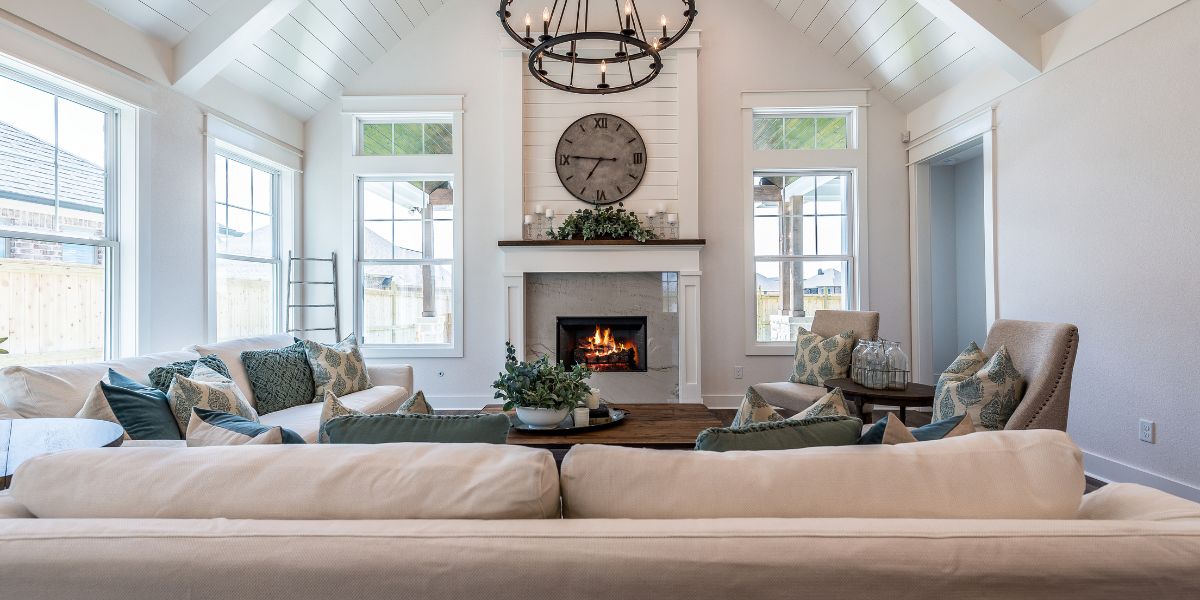
A home renovation is one of the most meaningful projects a homeowner can take on. It can change the way a family cooks, relaxes, entertains, works, and spends time together. Whether the project is a kitchen renovation, home addition, basement transformation, whole-home remodel, exterior update, or custom home, the goal is usually bigger than improving the look of a space. The goal is to make the home work better for daily life.
Many homeowners start thinking about renovation when their home no longer fits their lifestyle. A growing family may need more space. Empty nesters may want a layout that feels easier to maintain. A kitchen may feel outdated or closed off. A basement may be unused. An older home may need better flow, storage, comfort, or energy performance.
The challenge is that renovation can feel overwhelming. Homeowners may worry about budget, timelines, permits, design decisions, construction disruption, and whether the finished result will match their vision. This is where the design-build approach can make a major difference.
For homeowners considering design-build renovations in Ottawa, working with one coordinated team can make the process feel more organized, collaborative, and easier to understand from the beginning.
What Design-Build Means for Homeowners
Traditional renovation projects often separate design and construction. A homeowner may first work with a designer or architect, then search for a contractor, then coordinate multiple people throughout the project. This can work, but it can also create communication gaps, budget surprises, and delays.
Design-build brings design and construction together under one process. Instead of treating planning and building as separate steps, the homeowner works with a team that understands both the creative vision and the practical construction details.
This can make renovation planning more realistic. Design decisions can be discussed alongside budget, structural requirements, material choices, timelines, and construction methods. The goal is not only to create a beautiful concept, but to create a plan that can actually be built with care.
For homeowners, this can reduce confusion. Instead of trying to coordinate separate professionals, they can move through the process with a more unified team.
A Renovation Should Start With Lifestyle
The best renovations begin with understanding how people live. A kitchen renovation is not only about cabinets and countertops. It is about how meals are prepared, where people gather, how storage is used, and how the space connects to the rest of the home.
A home addition is not only about square footage. It is about whether the new space supports family needs, aging in place, entertaining, privacy, work, hobbies, or multigenerational living. A basement renovation is not only about finishing unused space. It may create a guest suite, playroom, home office, gym, entertainment area, or rental opportunity.
Before design begins, homeowners should think about what is not working in the current home. Are rooms too small? Is the layout awkward? Is there not enough storage? Does the home feel dark? Is the kitchen disconnected from the living area? Is the exterior no longer matching the way the family wants to use the property?
A thoughtful renovation should respond to real life. The most successful projects are built around daily routines, not just design trends.
Planning Helps Prevent Renovation Stress
Renovation stress often comes from uncertainty. Homeowners may feel unsure about costs, timelines, design choices, permits, trades, or how disruptive construction will be. While no renovation is completely free of surprises, careful planning can reduce many common problems.
A strong planning process helps homeowners understand the scope of work before construction begins. This may include design concepts, budgeting, material selections, construction planning, scheduling, and communication expectations. When these details are discussed early, homeowners can make better decisions.
Planning also helps identify what is realistic. A homeowner may have a vision for an open-concept layout, new addition, luxury kitchen, or major exterior transformation. A design-build team can help determine what is possible based on structure, property conditions, budget, code requirements, and long-term goals.
Good planning does not remove every challenge, but it creates a clearer path forward.
Why Communication Matters During Renovation
Communication is one of the most important parts of any renovation. Homeowners want to know what is happening, when decisions are needed, how the project is progressing, and what to expect next. Poor communication can make even a well-designed renovation feel stressful.
A clear communication process helps homeowners feel more confident. It gives them a better understanding of timelines, responsibilities, and project milestones. It also helps avoid misunderstandings between design, construction, and client expectations.
Because renovation happens inside or around someone’s home, communication should also be respectful. Homeowners may be living through construction, adjusting routines, or making many decisions in a short period of time. They need a team that can explain options clearly and respond to questions with patience.
A renovation is not only a construction project. It is a personal experience that affects the home and the people living in it.
Kitchen Renovations Can Transform the Heart of the Home
The kitchen is often one of the most important spaces in a home. It is where people cook, gather, talk, host, and begin or end their day. When a kitchen no longer works well, it can affect the whole household.
A kitchen renovation can improve layout, storage, lighting, workflow, seating, finishes, and connection to nearby rooms. Some homeowners want a more open kitchen for entertaining. Others need better storage, more counter space, improved lighting, or a layout that makes cooking easier.
A thoughtful kitchen renovation should balance beauty and function. Cabinets, countertops, flooring, appliances, lighting, and fixtures all matter, but the space should also work well for daily routines.
When designed carefully, a kitchen renovation can make the home feel more welcoming, efficient, and enjoyable.
Home Additions Create Space Without Leaving the Neighbourhood
Many homeowners love their neighbourhood but feel their house no longer provides enough space. Moving may not be the preferred option, especially if the location, schools, community, or property has long-term value. A home addition can create new space while allowing the family to stay where they are.
Additions can serve many purposes. They may create a larger kitchen, family room, primary suite, home office, garage, in-law suite, main-floor bedroom, or expanded living area. For some homeowners, an addition supports a growing family. For others, it supports aging in place or multigenerational living.
A successful addition should feel connected to the original home. It should not look or function like an afterthought. The design should consider flow, exterior appearance, structure, natural light, and how the new space will be used every day.
Working with a custom home builder and renovator in Ottawa can help homeowners approach additions with both design vision and construction planning in mind.
Basement Renovations Can Unlock Hidden Potential
Basements are often underused. They may become storage areas, unfinished spaces, or rooms that do not feel comfortable enough for daily use. With the right design, a basement can become one of the most useful areas in the home.
A basement renovation can create a family room, home theatre, guest bedroom, office, gym, playroom, hobby space, bathroom, or secondary suite. The key is to design the space around comfort and purpose.
Basements need careful planning because they often involve lighting, ceiling height, moisture control, insulation, flooring, mechanical systems, and layout challenges. A good renovation should make the basement feel like a natural extension of the home, not a disconnected lower level.
When finished well, a basement can add valuable living space and make the home more flexible.
Exterior Renovations Improve Curb Appeal and Performance
The exterior of a home shapes first impressions, but it also affects comfort, protection, and long-term maintenance. Siding, roofing, windows, doors, porches, decks, trim, and exterior details all contribute to how the home looks and performs.
Exterior renovations can refresh the appearance of an older home, improve curb appeal, and address maintenance concerns. They can also help the home better reflect the owner’s style.
For many homeowners, exterior work is an opportunity to make the home feel more complete. A redesigned entrance, improved outdoor living area, updated façade, or better connection between indoor and outdoor spaces can change how the property is used and experienced.
Exterior renovations should be planned carefully because they affect both aesthetics and building performance.
Custom Homes Need a Clear Vision and Trusted Process
Building a custom home is different from buying a standard property. It gives homeowners the opportunity to create a space based on their lifestyle, priorities, design preferences, and long-term plans. However, it also requires careful decision-making and strong project coordination.
A custom home should begin with a clear understanding of how the homeowner wants to live. This includes layout, room flow, natural light, storage, outdoor space, energy performance, privacy, entertaining needs, future flexibility, and design style.
Because custom homes involve many decisions, the process should be organized and collaborative. Homeowners need guidance through design, budgeting, selections, permits, construction, and final details.
A strong design-build process can help turn a vision into a home that feels personal, practical, and built for long-term comfort.
Renovating Older Homes Requires Care
Older homes often have character that homeowners want to preserve. Original trim, proportions, brickwork, wood details, heritage features, and neighbourhood style can all be part of what makes a home special. At the same time, older homes may need updates to improve function, comfort, layout, and efficiency.
Renovating an older home requires balance. The goal is often to modernize the space without removing the character that gives the home its identity. This may involve thoughtful material choices, careful design transitions, structural planning, and respect for the home’s original details.
A skilled renovation team can help homeowners decide what to preserve, what to update, and how to integrate modern living needs into an older property.
The result should feel natural, not forced. A successful renovation can make an older home more comfortable while still honouring its history.
The Right Team Makes the Process Feel More Manageable
Renovation involves many moving parts. Design, budgeting, permits, materials, trades, schedules, inspections, and construction details all need to work together. The right team can make this process feel more manageable for homeowners.
Experience matters because renovation often requires problem-solving. Every home is different, and unexpected details can appear once work begins. A team with design-build experience can respond more effectively because they understand both the design goals and construction realities.
A good renovation partner should listen carefully, explain clearly, and guide homeowners through decisions without making the process feel overwhelming. The goal is not only to deliver a finished space, but to create a better experience from planning to completion.
A company like Amsted Design-Build reflects the value of combining thoughtful design, renovation knowledge, and a structured process for homeowners planning major improvements.
Quality Renovations Should Feel Personal
A renovation should not feel generic. Every homeowner has different needs, preferences, routines, and priorities. Some want more space for family gatherings. Others want a quieter home office, a more functional kitchen, a better basement, or a layout that supports aging in place.
Personalization is what makes a renovation meaningful. It helps ensure the finished space fits the people who use it every day. Design choices should support both appearance and lifestyle.
This is why the early planning stage is so important. Homeowners should feel comfortable discussing what they like, what frustrates them, what they need more of, and what they want the home to feel like when the project is complete.
A successful renovation is one that feels like it belongs to the homeowner.
Creating a Home That Works Better for the Future
A renovation should solve current problems, but it should also consider the future. Families grow and change. Work routines shift. Accessibility needs may become more important. Entertaining habits, storage needs, and lifestyle preferences can evolve over time.
Planning with the future in mind helps homeowners make smarter decisions. This may include flexible rooms, improved storage, better lighting, main-floor living options, energy-conscious upgrades, or spaces that can adapt as needs change.
A home that works well today should also support tomorrow’s lifestyle as much as possible. Thoughtful design can help create that flexibility.
Whether a homeowner is planning a renovation, addition, basement transformation, exterior update, or custom home, the goal should be a space that feels comfortable, beautiful, and practical for years to come.
Building Confidence Through a Clear Renovation Process
Homeowners should not have to feel lost during a renovation. A clear process can help them understand what is happening at each stage, from early ideas to final construction. This creates confidence and helps reduce stress.
A strong process includes listening, planning, design development, budgeting, selections, scheduling, construction, and follow-up. It also includes honest conversations about expectations, timelines, and decisions.
When homeowners understand the process, they can participate more confidently. They can make decisions with better information and feel more connected to the project.
Renovation is a major investment, but with the right approach, it can also be an exciting and rewarding transformation.
Making a Home More Comfortable, Functional, and Personal
A well-planned renovation can change the way a home feels every day. It can make cooking easier, add space for family, improve comfort, create better storage, bring in more light, or make the home more welcoming for guests. It can also help homeowners stay in a neighbourhood they love while adapting the house to fit their current life.
The design-build approach can make this journey smoother by connecting creative design with practical construction planning. It helps homeowners move from ideas to finished spaces with more clarity and coordination.
For homeowners in Ottawa, Brockville, and surrounding communities, a thoughtful renovation or custom home project can be a meaningful investment in both property and lifestyle. With the right team and a clear process, a house can become a home that works better, feels better, and supports the people who live there every day.